
Why Are Pollinators Important?

Pollinators play a critical role in both natural ecosystems and food production. Bees, butterflies, birds, bats, and other animals help plants reproduce by transferring pollen from one flower to another. Without this process, many plants wouldn’t be able to produce seeds or fruit.

The Impact on Our Food Supply
A large portion of the food we rely on exists because of pollinators. Many crops (including fruits, vegetables, and nuts) depend on pollination to produce harvestable yields. In fact, roughly one out of every three bites of food is made possible by pollinators, highlighting just how essential they are to agriculture and everyday life.
How Pollination Works
As pollinators move from flower to flower in search of nectar and pollen, they unintentionally carry pollen between plants. This transfer allows plants to reproduce, leading to the development of seeds and fruit. It’s a simple, natural process that supports entire ecosystems.
Pollinators Are Facing Challenges
Pollinator populations have been declining due to habitat loss, disease, pesticide use, and environmental stress. One of the biggest issues is the lack of consistent, high-quality food sources. Without enough flowering plants available throughout the growing season, many pollinators struggle to survive.
How You Can Help
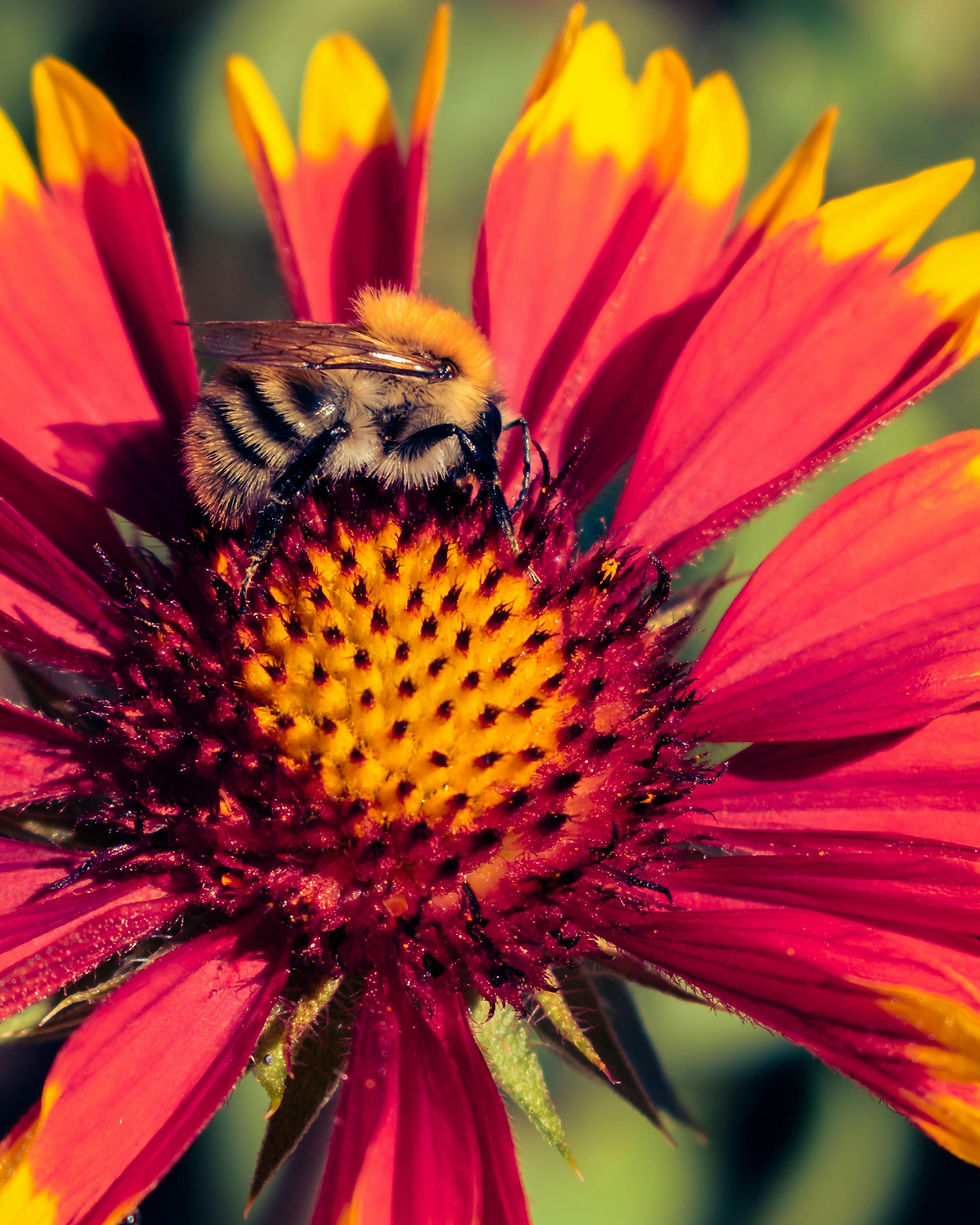
Supporting pollinators can be as simple as making a few thoughtful planting choices. Using native plants is one of the most effective ways to provide reliable food and habitat, as they are well-adapted to local conditions and naturally attract pollinators.
Planting a variety of species that bloom at different times throughout the season ensures a continuous food source. Grouping plants together, limiting pesticide use, and allowing some plants to flower naturally can also make a significant difference, even in small spaces.


Comments